Game publishers have good reason to think twice about selling exclusive esports streaming rights to a single platform. A lucrative contract looks attractive on paper. Getting fans to leave Twitch or YouTube for another service, though? That's a different story.
Esports streaming rights are becoming a bigger part of the debate over how tournaments reach their audiences. Multi-platform broadcasting gives fans more places to watch, and publishers have more room to negotiate commercial partnerships.
There's a lot of money involved. According to Mordor Intelligence, the global esports streaming market is estimated at US$2.29 billion in 2026 and projected to reach US$5.24 billion by 2031, representing a compound annual growth rate (CAGR) of 17.97%. The report identifies expanding media rights deals and wider distribution among the factors shaping the market.
Exclusive broadcasting hasn't disappeared. Far from it. South Korea offers a good example of why the industry hasn't settled on a single approach.
The Evolution of Esports Streaming Rights
Exclusive broadcasting contracts can bring in substantial revenue. For a tournament organiser trying to cover production costs, prize pools, and other expenses, a guaranteed payment from a streaming partner can be hard to turn down. The problem starts when that deal makes watching the tournament less convenient.
Take the League of Legends Champions Korea (LCK). Under a five-year agreement covering 2026 to 2030, domestic Korean-language live broadcasts moved exclusively to Naver's CHZZK and SOOP. Korean viewers who previously followed the official live coverage on YouTube now have to use one of those services.
Highlights and supplementary content remain available on the official LCK YouTube channel, but they debut on CHZZK and SOOP first, with YouTube uploads generally following around 24 hours later. International tournaments such as MSI and Worlds fall outside the domestic agreement.
The scale of that change shouldn't be underestimated. According to Digital Today, the LCK recorded an average minute audience of 634,000 domestic viewers in 2025, up 42% from the previous year. That figure covers the domestic audience across platforms, rather than YouTube alone, but it shows just how many viewers the new broadcasting arrangement could affect.
Fans also had to adjust to different viewing features. YouTube viewers were familiar with being able to rewind live matches, and losing that convenience became a concern as the league moved platforms.
Both SOOP and CHZZK responded by making their time-shift features free for LCK broadcasts. CHZZK introduced free access to its Time Machine rewind feature on January 8, while SOOP also opened its previously paid rewind functionality to LCK viewers.
Even something as simple as rewinding a teamfight can matter when fans have spent years watching on the same platform. One industry observer quoted by Digital Today described the departure from YouTube as forcing viewers to develop new viewing habits. Not everyone will bother crossing that barrier.
That alone doesn't prove the LCK deal was a commercial mistake. The full financial terms haven't been made public, and the figures cited here don't establish whether the move caused a decline in overall viewership.
Related Article: How the League of Legends Global Revenue Pool Helps Sustain Tier-1 Teams
Riot Games has taken a different approach to international distribution.
In June 2026, the publisher added Kick to its global esports broadcasting lineup, starting with MSI 2026. The partnership covers selected League of Legends, VALORANT, and Teamfight Tactics events outside China and Korea, expanding viewing options alongside established platforms such as Twitch and YouTube.
The numbers help explain why newer services are attracting attention. Mordor Intelligence estimates that Twitch held 39.14% of the esports streaming market in 2025, while Kick's segment is projected to grow at an 18.02% CAGR through 2031.
Twitch remains a major player, but publishers have reason to pay attention to emerging platforms. Riot's decision gives fans another place to watch without requiring existing Twitch or YouTube audiences to move.
Riot is expanding access in some markets while maintaining exclusive domestic arrangements in another. That makes it difficult to argue that the industry has settled on one broadcasting model.
My view is that exclusivity becomes a poor trade when a publisher gives up substantial audience access without getting enough commercial value in return. A large contract might justify that decision. The contract alone, however, doesn't tell us whether the audience has been well served.
New Revenue Opportunities in Esports Media Rights
The commercial side of esports media rights is changing alongside distribution. Tournament organisers still have traditional licensing deals, but advertising, creator partnerships, and merchandise offer other ways to generate income around a competition.
Regional Advertising
A tournament broadcast in the US doesn't have to carry the same advertising as one watched in the UK or elsewhere in Europe.
With the right technology and advertising rights, organisers can run campaigns tailored to individual markets. An American sponsor, for example, might prefer to pay for exposure among US viewers rather than fund a worldwide campaign with little relevance to its business.
This makes regional ad insertion worth considering. The same competition can support different advertising campaigns across multiple markets, allowing organisers to offer sponsors more targeted placements. Organisers need the ability to manage advertising inventory across their distribution partners, which isn't always possible under existing platform agreements.
Co-Streaming Partnerships
Co-streaming already fits naturally into esports culture. Fans can follow a tournament through their favourite creator's commentary, reactions, and community instead of watching the official broadcast.
Insider Gaming reported in June 2026 that co-streaming viewership had overtaken official broadcasts across parts of the esports scene. The report didn't provide a comprehensive breakdown by competition, but it shows how significant creator-led coverage has become.
For organisers, authorised co-streaming opens access to those communities. It also creates opportunities for licensing agreements, sponsorship activations, or revenue-sharing partnerships where the parties choose to use them.
Riot's Kick partnership offers an example of how publishers are approaching creator distribution. Alongside official event broadcasts, Riot announced plans to expand opportunities for Kick streamers through its creator and partner programmes.
A major co-streamer and a smaller community channel may bring very different value to an event. Organisers have room to structure partnerships around the audiences those creators actually reach.
Merchandise and Digital Products
Merchandise brings another source of income into the picture. Imagine a fan watching an esports final and seeing an official team jersey promoted during the broadcast. A link to the team's store could turn that moment of attention into a purchase.
Digital products offer similar possibilities. Where a game publisher and streaming platform support them, tournament-related digital items or viewer rewards can give fans another reason to engage with the event.
Riot's Kick partnership, for instance, includes access to the same drops and incentives available during its global event broadcasts on other platforms. Those rewards aren't necessarily merchandise sales, but they show how viewing experiences can extend beyond the video feed. For organisers, the opportunity is to connect the audience already watching with products and experiences that have commercial value.
These three approaches give organisers additional ways to earn revenue around their competitions, reducing their reliance on a single licensing agreement.
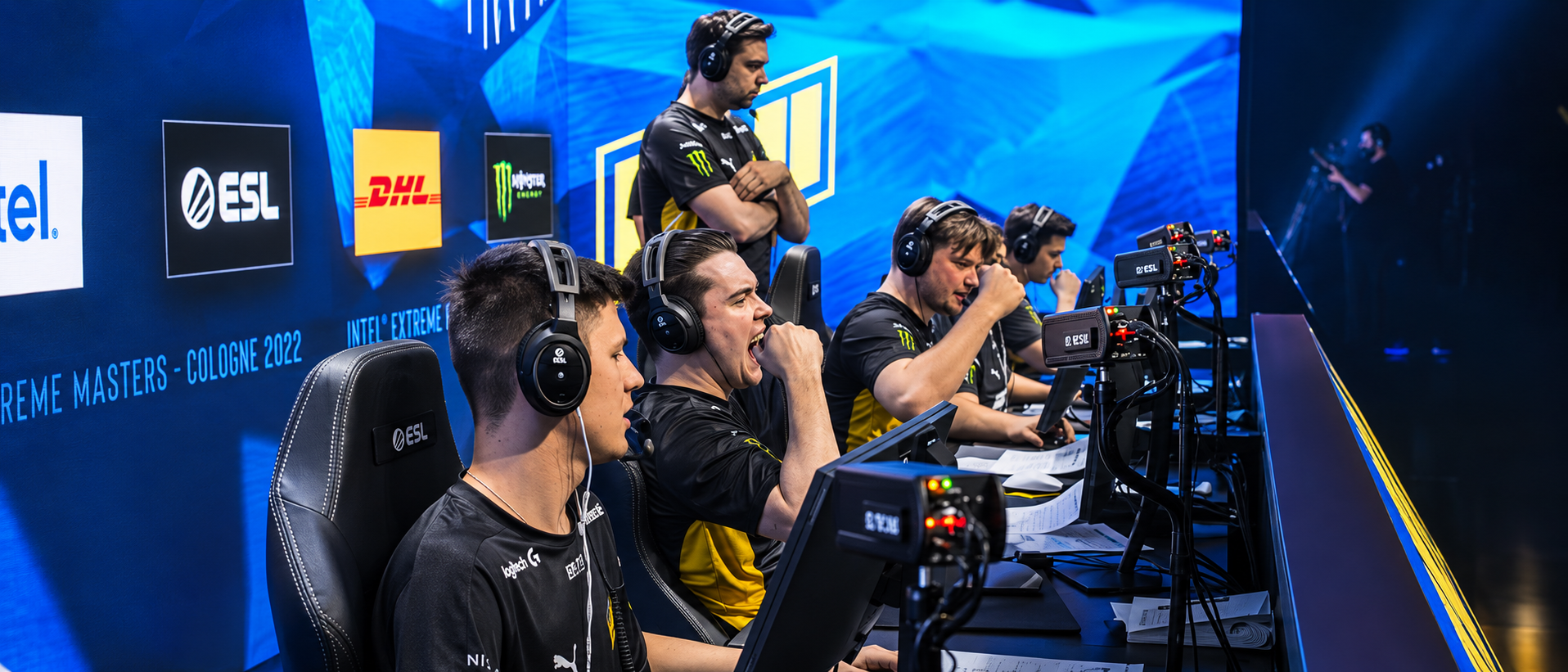
What Does This Mean for Western Esports Teams?
For teams based in Europe and North America, the growing number of streaming platforms creates opportunities to reach audiences beyond official tournament broadcasts.
North America is particularly relevant here. Mordor Intelligence projects that the region's esports streaming market will grow at a 19.38% CAGR through 2031, making it the fastest-growing regional segment in the report.
That figure describes the regional market forecast, not guaranteed revenue growth for individual esports organisations. Still, it helps explain why audience distribution and commercial partnerships deserve attention.
Non-endemic sponsors want to understand who follows a team, where those fans spend their time, and how an organisation can reach them. A strong presence across streaming and social platforms gives teams more opportunities to demonstrate that reach.
Tournament exposure can also continue long after a match ends. A well-timed clip on TikTok, YouTube Shorts, or Instagram Reels can introduce a player to viewers who missed the original broadcast. Teams have to work within the relevant content rights, but short-form video is already part of how esports organisations build their audiences.
Vitrina.ai's coverage of esports content rights and licensing discusses the commercial importance of managing content distribution. That becomes relevant when teams want to use tournament footage, creator collaborations, and other media assets to support their own growth.
I think esports organisations make a mistake when they treat their competitive results as the entire sponsorship proposition. Winning attracts attention, but sponsors also want to know what happens to that attention after the match ends. A team that understands its audience can offer more than a logo on a jersey. It can show sponsors where its fans are, what they watch, and how the organisation plans to keep them engaged.
Is Exclusive Broadcasting on Its Way Out?
Not yet. The LCK's agreement with Naver and SOOP shows that exclusive domestic rights remain commercially relevant, while Riot's expansion to Kick demonstrates the appeal of offering fans more viewing options elsewhere.
The choice comes down to what a league receives in exchange for restricting distribution. Guaranteed income has real value, especially in an industry where production costs and financial stability remain major concerns. But I wouldn't call a broadcasting deal successful simply because the contract is large. If fans have to change platforms, lose familiar features, or face more obstacles to watching, those costs deserve just as much attention as the money coming in.
Esports streaming rights are becoming a test of how well publishers understand their audiences. The strongest arrangement is the one that makes commercial sense without forgetting why those rights have value in the first place: people want to watch the games.